← Exams and Quizzes | Professional Exams →
Notice
If you get a question wrong, you can still click on the other answers. This will open up hints and explanations (if available), which will provide additional information. Exam should be 1 minute per question and please time accordingly.It is not required to have CompTIA A+ certification prior to obtaining CompTIA Network+ certification. It is recommended to have CompTIA A+ certification or the knowledge of the subject matter that is covered under A+ certification exam before taking Network+ certification exam. It is also recommended, but not required, that you have about 12 months of IT networking work experience.
Go to: Set I | Set II
CompTIA Network+ N10-007 - Set III
Congratulations - you have completed CompTIA Network+ N10-007 - Set III.
You scored %%SCORE%% out of %%TOTAL%%. With incorrect multiple attempts, your score is %%PERCENTAGE%%. Your performance has been rated as %%RATING%%
Question 1 |
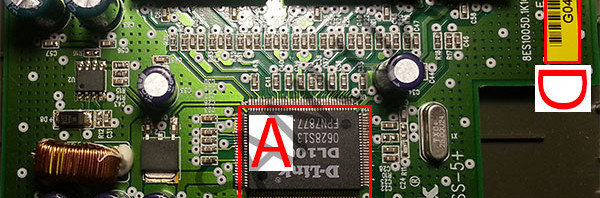
A | White/Green, Green, White/Orange, Blue, White/Blue, Orange, White/Brown. Brown |
B | White/Orange, Orange, White/Brown, Blue, White/Blue, Green, White/Green, Brown |
C | White/Blue, Orange, White/Green, Blue, White/Orange, Green, White/Brown, Brown |
D | White/Green, Green, White/Blue, Blue, White/Orange, Orange, White/Brown. Brown |
E | White/Orange, Orange, White/Green, Blue, White/Blue, Green, White/Brown, Brown |
Question 2 |
A | route |
B | nslookup |
C | pathping |
D | nmap |
Question 3 |
A | 1, 6, 11 |
B | 4, 8, 16 |
C | 3, 13, 23 |
D | 2, 5, 10 |
Question 4 |
A | Man-in-the-middle |
B | DNS poisoning |
C | Reflective |
D | Ransomware |
E | Evil twin |
F | ARP poisoning |
Question 5 |
A | Transport |
B | Session |
C | Data link |
D | Network |
E | Physical |
Question 6 |
A | PPP |
B | Frame relay |
C | ATM |
D | MPLS |
Question 7 |
A | The channels are overlapping with other wireless networks and should be changed. |
B | The default idle period for logoff is too short and should be changed to a longer limit. |
C | The users have incompatible wireless network cards and should upgrade. |
D | The SSIDs are incompatible and should be renamed. |
Question 8 |
A | Add a bridge between two switches. |
B | Add a firewall and implement proper ACL. |
C | Add a router and enable OSPF. |
D | Add a layer 3 switch and create a VLAN. |
Question 9 |
A | A missing route on the alarm device |
B | Incorrect speed/duplex setting on the alarm device |
C | A missing route on the network routers |
D | Incorrect VLAN assignment on the router |
Question 10 |
A | Flood guard |
B | BPDU guard |
C | DHCP snooping |
D | Spanning tree |
Question 11 |
A | Wireless access point |
B | Wireless bridge |
C | Wireless firewall |
D | Wireless hub |
Question 12 |
A | Allow RDP through an external firewall |
B | Connect utilizing client-to-site VPN |
C | Use TFTP to transfer files to corporate resources |
D | Utilize an SSH connection to the corporate server |
Question 13 |
A | Logic bomb |
B | Man-in-the-middle |
C | Insider threat |
D | Social engineering |
Question 14 |
A | The WAP antenna is damaged |
B | The LWAPP image is installed on the WAP |
C | The terminal emulation software is misconfigured |
D | The WAP transmitter light is dim |
Question 15 |
A | Absorption |
B | Security type mismatch |
C | Latency |
D | Distance limitations |
Question 16 |
A | Limit the clients to 802.11g compatible laptops |
B | Use the 40MHz channels in the 2.4GHz band |
C | Enable access point antenna isolation |
D | Enable wireless multimedia (WMM) for QoS |
Question 17 |
A | Packet capturing |
B | Port scanning |
C | Log scanning |
D | Baseline review |
Question 18 |
A | ping |
B | tracert |
C | netstat |
D | pathping |
E | tcpdump |
F | route |
G | nslookup |
Question 19 |
A | E3 |
B | T3 |
C | DS3 |
D | OC3 |
Question 20 |
A | Vulnerability report |
B | Business continuity plan |
C | Baseline report |
D | Rollback plan |
Question 21 |
A | BYOD policy |
B | Incident response policy |
C | DLP policy |
D | Remote access policy |
Question 22 |
A | Router |
B | Firewall |
C | Bridge |
D | Multiplayer switch |
Question 23 |
A | Reserved IP |
B | Virtual IP |
C | Loopback IP |
D | Public IP |
Question 24 |
A | Allow traffic from the wireless access point |
B | Content filtering on the wireless access point |
C | Packet filtering on the wireless access point |
D | Block traffic from the wireless access point |
Question 25 |
A | CNAME |
B | PTR |
C | SRV |
D | NS |
E | MX |
Question 26 |
A | Switch |
B | IPS |
C | IDS |
D | Router |
E | Network tap |
F | Hub |
Question 27 |
A | OTDR |
B | Environmental monitor |
C | Cable tester |
D | Punch down tool |
Question 28 |
A | Incremental backup |
B | Warm site |
C | Cold site |
D | Differential backup |
E | Hot site |
F | Full backup |
Question 29 |
A | Managed switch |
B | Firewall |
C | Router |
D | Bridge |
E | IDS |
Question 30 |
A | SOP |
B | NDA |
C | SLA |
D | AUP |
Question 31 |
| Cable | Test | Result |
|---|---|---|
| 1.2 | Open | 7ft |
| 3.6 | Short | 7ft |
| 4.5 | Open | 7ft |
| 7.8 | Open | 7ft |
A | Protocol Analyzer |
B | Crimper |
C | Multimeter |
D | Toner Probe |
E | Cable Certifier |
F | OTDR |
G | Punch Down Tool |
Question 32 |
A | HTTP |
B | NTP |
C | RDP |
D | SMTP |
Question 33 |
A | Biometric locks |
B | Asset tracking tags |
C | Motion detection |
D | Smart card reader |
Question 34 |
A | PVC Cat 7 |
B | Plenum Cat 5e |
C | Plenum Cat 6a |
D | PVC Cat 5 |
Question 35 |
A | The technician should configure a virtual switch. |
B | The technician should set up individual routes between the machines. |
C | The technician should connect the machine to its own separate switch. |
D | The technician should add a route in each virtual machine to the default gateway. |
Question 36 |
A | VoIP endpoint |
B | Access point |
C | Router |
D | Range extender |
Question 37 |
A | Turn off SSID broadcasting for the executive’s access point |
B | Change the channel on the access point to channel 11 |
C | Replace the 802.11n access point in the office with an 802.11a access point |
D | Turn off as many lights in the executive’s office as possible to reduce interference |
Question 38 |
A | MAC reservations |
B | APIPA |
C | IPsec |
D | EUI-64 |
E | IPv4 to IPv6 tunnel |
Question 39 |
A | PC to PC |
B | Router to modem |
C | Router to switch |
D | PC to switch |
E | Switch to AP |
Question 40 |
A | IPS |
B | IDS |
C | Port scan |
D | Packet sniffer |
Question 41 |
A | Allow TCP port 3389 inbound |
B | Allow TCP port 3389 outbound |
C | Allow UDP port 3389 inbound |
D | Allow UDP port 3389 outbound |
Question 42 |
A | Point-to-multipoint |
B | Point-to-point |
C | Peer-to-peer |
D | Hybrid |
Question 43 |
A | 192.1.0.124/30 |
B | 10.10.50.0/30 |
C | 192.170.10.0/24 |
D | 192.168.0.192/24 |
E | 172.16.20.0/30 |
Question 44 |
A | Connection speeds decrease |
B | Throughput decreases |
C | Cell size increases |
D | Attenuation increases |
Question 45 |
A | env |
B | getargs |
C | lsenv |
D | ls |
E | lsshell |
Question 46 |
A | Part of the subnet is configured to use different VLANs |
B | Those servers have host-based firewalls |
C | Some of the servers are configured to use different gateways |
D | New servers are being provisioned in the cloud |
Question 47 |
A | WEP uses RC4 which is easily accessible and not secure |
B | WEP is not well supported |
C | WEP uses plain text |
D | WEP’s IV is too small |
Question 48 |
A | Split tunneling |
B | TLS |
C | HTTPS |
D | Remote file access |
Question 49 |
A | Log scanning |
B | Port scanning |
C | Baseline review |
D | Packet capturing |
Question 50 |
A | CASB |
B | IaaS |
C | PaaS |
D | SaaS |
Question 51 |
A | WLAN |
B | Star |
C | Bus |
D | Ring |
Question 52 |
A | NTLM |
B | CHAP |
C | MS-CHAP |
D | Kerberos |
Question 53 |
A | FE80::/10 |
B | FEEF:/12 |
C | 2FFE::/16 |
D | FF00::/8 |
Question 54 |
A | The web server is placed in bridge mode, the router is placed behind the web server, and the modem is placed behind the router |
B | The modem is placed in bridge mode, the router is placed behind the modem, and the web server is placed behind the router |
C | The router is placed in bridge mode, the modem is placed behind the router, and the web server is placed behind the modem |
D | The switch is placed in bridge mode, the modem is placed behind the router, and the router is placed behind the modem |
Question 55 |
A | ICMP |
B | UDP |
C | EIGRP |
D | IPv6 |
Question 56 |
A | Logical diagram |
B | Change management log |
C | Physical diagram |
D | Network baseline |
Question 57 |
A | 56:AD:BX:89:55:54 |
B | AA:CE:58:FD:90:08 |
C | 94:9E:FE:EE:8C:DF |
D | 44:98:3E:F8:33:23 |
Question 58 |
A | Signature-based IPS |
B | DMZ |
C | Honeypots |
D | WPA2 |
E | Behavior-based IPS |
Question 59 |
A | Placement map |
B | Network map |
C | Environmental monitor |
D | Syslog |
Question 60 |
A | Coaxial |
B | Serial |
C | UTP |
D | Multimode |
Question 61 |
A | Absorption |
B | Reflection |
C | Frequency mismatch |
D | Channel overlap |
Question 62 |
A | Ping |
B | Baseline analyzer |
C | Protocol analyzer |
D | Nessus |
Question 63 |

A | ST |
B | LC |
C | MT-RJ |
D | SC |
Question 64 |
A | VTP |
B | SNMPv3 |
C | CDP |
D | IPSec |
Question 65 |
A | DoS attacks |
B | Phishing |
C | Rogue access points |
D | Man-in-the-middle attacks |
Question 66 |
A | FIFO |
B | WPA |
C | MIMO |
D | 802.1x |
E | IPsec |
Question 67 |
A | CSU/DSU |
B | IDF |
C | MDF |
D | Switch |
Question 68 |
A | 00:f3:82:99:a2:b8 |
B | 192.168.2.1 |
C | 3ffe:1900:4545:3:200:f8ff:fe21:67cf |
D | 61.23.168.192.in-addr.arpa |
Question 69 |
A | Datagram Transport Layer Security (DTLS) |
B | DNS |
C | TFTP |
D | DTLS |
E | SNMP |
Question 70 |
A | BPDU guard |
B | DHCP snooping |
C | Spanning tree |
D | ARP protection |
Question 71 |
A | ACL |
B | NTP |
C | Traffic shaping |
D | NAC |
E | SDN |
Question 72 |
A | SC |
B | LC |
C | MT-RJ |
D | ST |
Question 73 |
A | MIMO |
B | Channel bonding |
C | Disable SSID |
D | Increase the signal |
Question 74 |
A | Private certificate |
B | Shared secret |
C | HTTPS server |
D | Soft spoken |
Question 75 |
A | PPTP |
B | L2TP |
C | FTP |
D | ISAKMP |
E | CARP |
Question 76 |
A | Switches packets within the same subnet based on MAC addresses |
B | Switches packets between same subnets based on IP addresses |
C | Switches packets between different subnets based on IP addresses |
D | Switches packets between different subnets based on MAC addresses |
Question 77 |
A | Whaling |
B | Impersonation |
C | Privilege escalation |
D | Spear phishing |
Question 78 |
A | Blocking |
B | Forwarding |
C | Learning |
D | Disabled |
Question 79 |
A | 152.119.25.213 |
B | 132.216.14.184 |
C | 162.17.43.22 |
D | 172.23.226.34 |
Question 80 |
A | Remove unnecessary testing accounts. |
B | Disable the HTTP port in the host firewall. |
C | Upgrade the firmware on the firewall. |
D | Issue a new self-signed certificate. |
E | Generate new SSH host keys. |
Question 81 |
Department-VLAN#-Subnet used
Marketing-20-192.168.20.0/28
Customer Service-25-192.168.20.64/28
Finance-30-192.168.30.0/28
WHSE-35-192.168.30.16/28
Sales-40-192.168.3.16/28
The users experiencing this issue need to be added to which of the following VLANs?
A | 40 |
B | 25 |
C | 30 |
D | 35 |
Question 82 |
A | Create a DMZ for public servers and secure a segment for the internal network |
B | Install antivirus software and set an ACL on the servers |
C | Create a VLAN for the unused ports and create a honeyspot on the VLAN |
D | Install a BPDU guard on switchports and enable STP |
Question 83 |
IP address: 172.16.204.12
Subnet Mask: 255.255.0.0
Default Gateway: 172.15.204.254
DNS address: 172.16.204.1
Broadcast address: 172.16.255.255
A | Broadcast address |
B | Default gateway |
C | DNS address |
D | Subnet mask |
E | IP address |
Question 84 |
A | Hybrid |
B | Distance vector |
C | Static |
D | Link state |
Question 85 |
A | POP3 |
B | SMTP |
C | LDAP |
D | NTP |
E | IMAP |
Question 86 |
A | Bad fiber switch |
B | Bend radius exceeded |
C | Fiber type mismatch |
D | Fiber cable mismatch |
Question 87 |
A | WAP SSIDs are matching |
B | WPA should be enabled |
C | PKI should be turned off |
D | WAPs are transmitting on same channel |
Question 88 |
A | Star |
B | Ring |
C | Bus |
D | Mesh |
Question 89 |
A | BGP |
B | OSPF |
C | EIGRP |
D | RIP |
Question 90 |
A | IP addresses |
B | STP blocking |
C | Switching loop |
D | MTU mismatch |
Question 91 |
A | Segments broadcast traffic |
B | Decreases bandwidth on a network |
C | Increases port speed |
D | Allows another connection to the router |
Question 92 |
A | Overcapacity |
B | Interference |
C | DHCP exhaustion |
D | Channel overlapping |
Question 93 |
A | Layer 3 |
B | Layer 7 |
C | Layer 6 |
D | Layer 4 |
E | Layer 1 |
F | Layer 2 |
G | Layer 5 |
Question 94 |
A | Token |
B | Time |
C | Ticket |
D | Certificate |
Question 95 |
A | CHAP |
B | MAC filtering |
C | Digital signatures |
D | MS-CHAP |
Question 96 |
A | InfiniBand |
B | NAS |
C | iSCSI |
D | Fibre Channel |
Question 97 |
A | GBIC |
B | MT-RJ |
C | F-type |
D | BNC |
Question 98 |
A | Replace multimode with single-mode cable |
B | Fall back to the old switch |
C | Transpose the fiber pairs |
D | Replace SFP with a new one |
Question 99 |
A | Verify the browser is using port 443 |
B | Restart the web server |
C | Check port 636 to see if it is being blocked |
D | Change service port 636 to port 389 |
Question 100 |
A | Rack diagram |
B | Logical and physical diagrams |
C | Network performance baseline |
D | IDF/MDF documentation |
Question 101 |
A | Multipath support |
B | Channel bonding |
C | Gigabit wireless bandwidth |
D | Channel expansion |
Question 102 |
A | 32 bits |
B | 256 bits |
C | 64 bits |
D | 128 bits |
Question 103 |
A | Switch |
B | Modem |
C | Router |
D | Hub |
Question 104 |
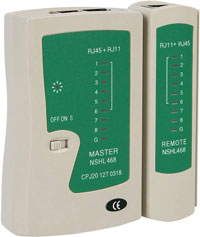
Image Credit: https://www.amazon.ca/
A | Used to correct open short on a cable. |
B | Used to terminate a cable at a 110 block. |
C | Used to verify known good patch cables. |
D | Used to determine which port a CAT6 cable is connected. |
E | Used to verify functionality after a NIC is installed. |
Question 105 |
A | Bus |
B | Hub and spoke |
C | Partial mesh |
D | Full mesh |
E | Ring |
Question 106 |
A | CAT6a |
B | Fiber |
C | CAT3 |
D | CAT5e |
Question 107 |
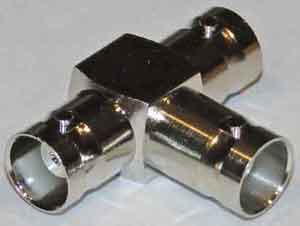
A | A network built with Ring Topology |
B | A network built with Star Topology |
C | A network built with Logical Topology |
D | A network built with Bus Topology |
E | A network built with Mesh Topology |
Question 108 |
A | A trap message is sent via UDP to the monitoring workstation |
B | The SET function pushes an alert to the MIB database |
C | A response message is sent from the agent to the manager |
D | The object identifier is modified and reported during the next monitoring cycle |
Question 109 |
Requirements:
– The remote Sales Team must be able to connect to the corporate network.
– Each department must have ONLY two PCs and a server.
– Eqach department must be segmented from each other.
– The following VLANs have been designed:
— VLAN 2 Finance
— VLAN 12 Sales
— VLAN 22 Human Resources (HR)
– Routing for VLAN 12 is implemented on the router. Routing for VLAN 2 and VLAN 22 is on the switch.
According to the following network diagram for Company A, where would you place the Layer 2 and Layer 3 switches? Click on the image to enlarge.
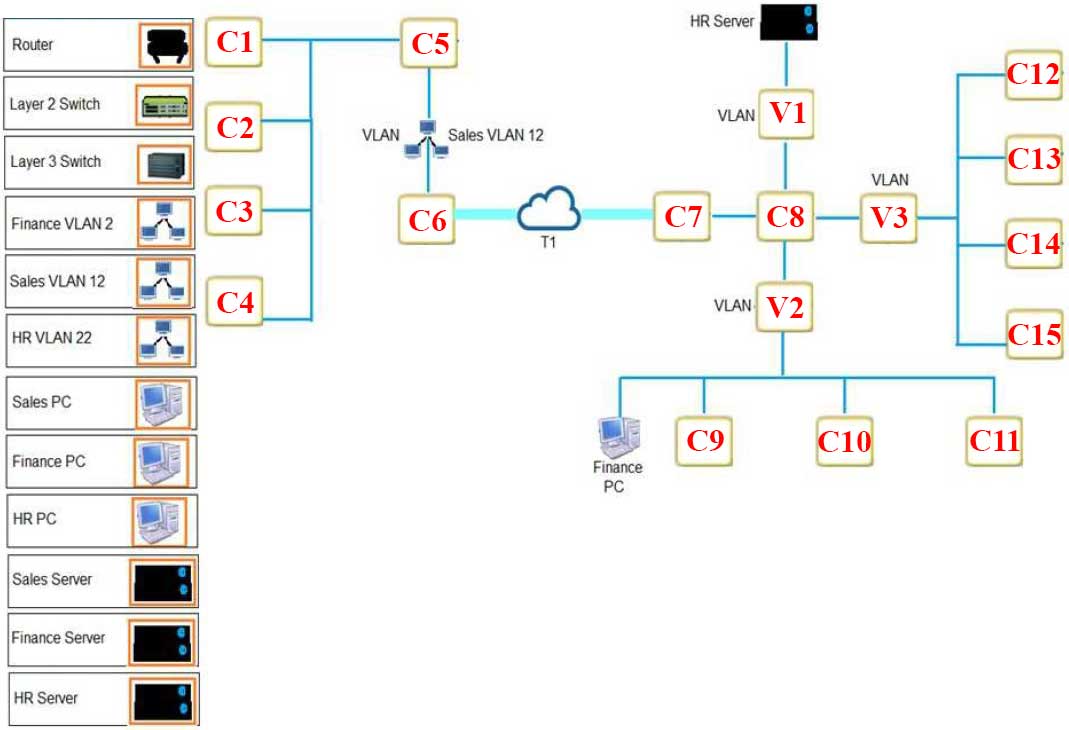
A | Layer 2 at C6 and Layer 3 at C6 |
B | Layer 2 at C7 and Layer 3 at C6 |
C | Layer 2 at C10 and Layer 3 at C12 |
D | Layer 2 at C8 and Layer 3 at C6 |
E | Layer 2 at C5 and Layer 3 at C6 |
Question 110 |
A | Install a power conditioner |
B | Install a new electrical circuit |
C | Install a UPS |
D | Replace the switch uplink cable |
E | Install a new switch |
Question 111 |
A | Unidirectional |
B | Yagi |
C | Omnidirectional |
D | Parabolic |
Question 112 |
A | 802.11b |
B | 802.11g |
C | 802.11ac |
D | Z-Wave |
E | 802.11n |
Question 113 |
A | CSMA/CD |
B | MPLS |
C | OSPF |
D | CSMA/CA |
Question 114 |
A | Attenuation |
B | Reflection |
C | Distance |
D | Refraction |
E | Absorption |
Question 115 |
A | The network administrator should install and configure a network sniffer |
B | The network administrator should install and configure a syslog server |
C | The network administrator should install and configure a DMZ server |
D | The network administrator should install and configure a traffic analysis server |
Question 116 |
A | Out-of-band management |
B | Client-to-site VPN |
C | Router ACL |
D | HTTPS management URL |
Question 117 |
A | Out-of-band console router |
B | ACL allowing only Telnet |
C | ACL allowing only HTTP |
D | Out-of-band modem |
Question 118 |
SSID: SANUJA-WiFi
Signal: 5%
SNR: 2
A | Overcapacity |
B | Latency |
C | Incorrect antenna type |
D | Channel overlap |
Question 119 |
A | MITM |
B | Social engineering |
C | Smurf attack |
D | Buffer overflow attack |
E | NMAP |
Question 120 |
A | Key fob + ID card |
B | Username + password |
C | Smart card + PIN |
D | Fingerprint + retina scan |
Question 121 |
A | MAC filtering |
B | AES encryption |
C | Shared secret keys |
D | Key rotation |
E | Strong RC4 encryption |
Question 122 |
A | UDP port 53 |
B | UDP port 22 |
C | TCP port 22 |
D | UDP port 69 |
E | TCP port 25 |
Question 123 |
A | L2TP |
B | QoS |
C | SSH |
D | SNMP |
Question 124 |
A | Broadcast |
B | Multicast |
C | Subnetting |
D | Unicast |
Question 125 |
A | ST |
B | LC |
C | MT-RJ |
D | SC |
Question 126 |
- AP encryption forced to WPA2-AES mode only
- MAC address filtering enabled with the following MAC address in the allow list: 00-ab-29-da-c3-40
Which is true about the above configuration?
A | Any 802.11g compatible client can connect to the wireless network if the encryption key is known by the client. |
B | An 802.11a compatible client can connect to the wireless network only if its MAC address is 00- ab-29-da-c3-40 and the encryption key is known by the client. |
C | An 802.11n compatible client can connect to the wireless network only if its MAC address is 00- ab-29-da-c3-40 and the encryption key is known by the client. |
D | Any 802.11b/g compatible client can connect to the wireless network if they support TKIP, the MAC address is 00-ab-29-da-c3-40, and the encryption key is known by the client. |
Question 127 |
Requirements:
– The remote Sales Team must be able to connect to the corporate network.
– Each department must have ONLY two PCs and a server.
– Each department must be segmented from each other.
– The following VLANs have been designed:
— VLAN 2 Finance
— VLAN 12 Sales
— VLAN 22 Human Resources (HR)
– Routing for VLAN 12 is implemented on the router. Routing for VLAN 2 and VLAN 22 is on the switch.
According to the following network diagram for Company A, where should the router be palced? Click on the image to enlarge.
A | C5 |
B | C10 |
C | C7 |
D | C8 |
E | C6 |
Question 128 |
A | SNMP |
B | DCCP |
C | Simple Network Management Protocol (SNMP) |
D | Packet sniffer |
E | SCTP |
Question 129 |
A | OSPF |
B | EIGRP |
C | BGP |
D | RIP |
Question 130 |
A | MTU size greater than 1500 |
B | Commonly used on IaaS |
C | MTU size greater than 12000 |
D | Commonly used on SAN |
E | MTU size greater than 10000 |
Question 131 |
A | Excessive bandwidth usage |
B | Power failure |
C | Broadcast storm |
D | STP convergence |
Question 132 |
A | Inventory management |
B | Network log files |
C | Change management records |
D | Logical diagrams |
Question 133 |
A | MT-RJ |
B | ST |
C | LC |
D | SC |
Question 134 |
A | IDS |
B | WAF |
C | TPM |
D | WPA |
E | DLP |
Question 135 |
A | Attenuation |
B | Interference |
C | Latency |
D | Reflection |
E | Signal-to-noise ratio |
F | Packet loss |
← |
List |
→ |
| 1 | 2 | 3 | 4 | 5 |
| 6 | 7 | 8 | 9 | 10 |
| 11 | 12 | 13 | 14 | 15 |
| 16 | 17 | 18 | 19 | 20 |
| 21 | 22 | 23 | 24 | 25 |
| 26 | 27 | 28 | 29 | 30 |
| 31 | 32 | 33 | 34 | 35 |
| 36 | 37 | 38 | 39 | 40 |
| 41 | 42 | 43 | 44 | 45 |
| 46 | 47 | 48 | 49 | 50 |
| 51 | 52 | 53 | 54 | 55 |
| 56 | 57 | 58 | 59 | 60 |
| 61 | 62 | 63 | 64 | 65 |
| 66 | 67 | 68 | 69 | 70 |
| 71 | 72 | 73 | 74 | 75 |
| 76 | 77 | 78 | 79 | 80 |
| 81 | 82 | 83 | 84 | 85 |
| 86 | 87 | 88 | 89 | 90 |
| 91 | 92 | 93 | 94 | 95 |
| 96 | 97 | 98 | 99 | 100 |
| 101 | 102 | 103 | 104 | 105 |
| 106 | 107 | 108 | 109 | 110 |
| 111 | 112 | 113 | 114 | 115 |
| 116 | 117 | 118 | 119 | 120 |
| 121 | 122 | 123 | 124 | 125 |
| 126 | 127 | 128 | 129 | 130 |
| 131 | 132 | 133 | 134 | 135 |
| End |
Based on general knowledge and CompTIA guidelines published in 2020.
FAQ | Report an Error
Study outline at: CompTIA Exams Guide
Disclaimer: While every reasonable effort is made to ensure that the information provided is accurate, no guarantees for the currency or accuracy of information are made. It takes several proof readings and rewrites to bring the quiz to an exceptional level. If you find an error, please contact me as soon as possible. Please indicate the question ID-Number or description because server may randomize the questions and answers.